Recent Posts
Stay up to date.
PCR-Free DNA Diagnostics
The Next Generation of Molecular Testing
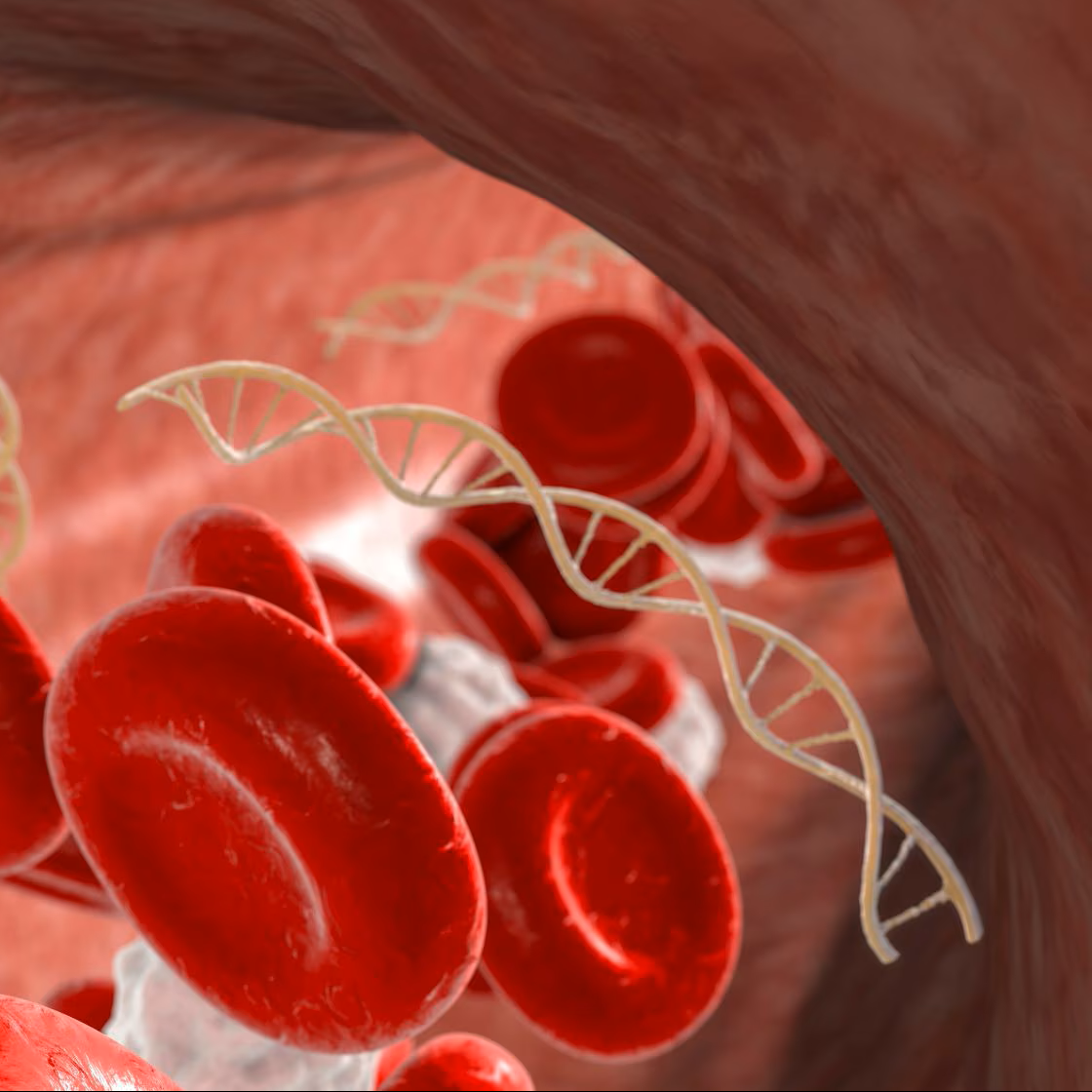
For decades, polymerase chain reaction (PCR) has been the gold standard for DNA-based diagnostics, enabling the detection of infectious diseases, genetic variants, and cancer biomarkers through DNA amplification. However, PCR requires specialized instrumentation, thermal cycling, and can introduce amplification bias that affects quantitative accuracy. PCR-free DNA diagnostic technologies are emerging as a powerful alternative. By detecting native DNA directly, these methods can simplify workflows, reduce processing time, and preserve the original composition of a sample. Eliminating amplification also minimizes bias and contamination risks, making results more representative of the biological specimen. Combined with advances in sequencing, biosensors, and molecular recognition chemistry, PCR-free approaches have the potential to deliver faster, more scalable diagnostics with fewer sample preparation steps. As precision medicine and point-of-care testing continue to expand, PCR-free diagnostics represent an exciting shift toward simpler, automation-friendly workflows. These technologies have the potential to improve accessibility while enabling highly sensitive detection of pathogens, cancer biomarkers, and other clinically important DNA targets in a wide range of healthcare settings.
Autonomous laboratories
AI powered laboratories are poised to grow by 2030
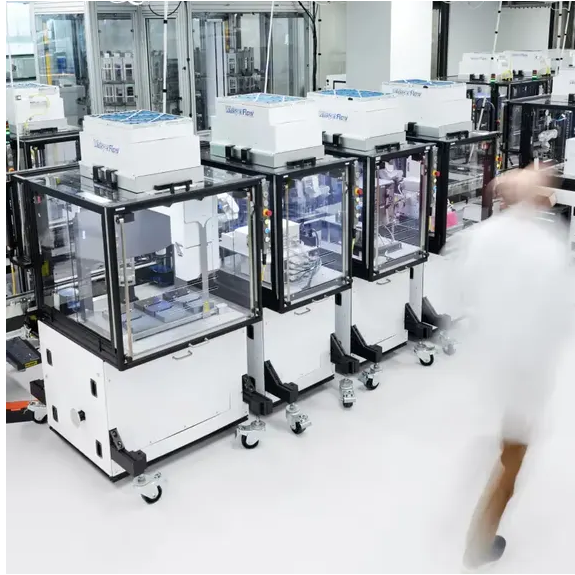
Autonomous laboratories are rapidly transforming biological research by combining robotics, artificial intelligence, and cloud-based experimentation to dramatically accelerate scientific discovery. Companies like Ginkgo Bioworks are pioneering this shift, enabling researchers to design experiments digitally while robotic platforms execute and optimize workflows around the clock. As demand for faster drug discovery, synthetic biology, and high-throughput R&D grows, the broader laboratory automation and robotics market is expected to expand significantly through 2030. Industry forecasts project the global laboratory robotics market to approach **$3.9 billion by 2030**, while the broader lab automation market is expected to reach approximately **$9 billion by 2030** [Grand View Research]. As AI becomes increasingly integrated with autonomous experimentation, these platforms are poised to redefine how biotechnology innovations are discovered, validated, and scaled.
Long DNA
The rise of long-read sequencing and Illumina's entry into the market
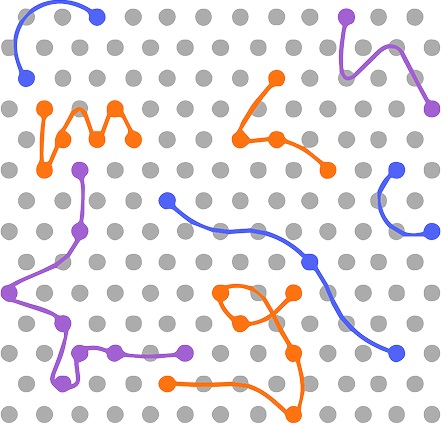
Long-read DNA sequencing has rapidly evolved from a niche technology into one of the fastest-growing segments of genomics. Unlike traditional short-read sequencing, long-read methods can span thousands to tens of thousands of base pairs in a single read, enabling researchers to resolve complex genomic regions, structural variants, repetitive DNA, and haplotypes that are difficult or impossible to characterize with short reads alone. These capabilities have made long-read sequencing increasingly valuable for rare disease research, cancer genomics, microbial genomics, and de novo genome assembly. As sequencing costs continue to decline and workflows become more accessible, long-read technologies are moving beyond specialized research labs toward broader adoption in both translational and clinical applications. Recognizing this shift, Illumina has expanded beyond its long-standing dominance in short-read sequencing with the introduction of Illumina Complete Long Reads. Rather than replacing its sequencing-by-synthesis chemistry, the technology combines specialized library preparation with computational reconstruction to generate highly accurate long-read information on existing Illumina sequencing platforms. This approach allows laboratories to generate both short- and long-read data using the same instrument while requiring substantially less DNA input and maintaining a scalable, high-throughput workflow. Although dedicated long-read platforms from companies such as Pacific Biosciences and Oxford Nanopore Technologies continue to lead applications requiring ultra-long reads, Illumina's entry into the market signals that long-read sequencing has become a mainstream capability rather than a specialized technology. As competition accelerates, researchers stand to benefit from improved performance, lower costs, and continued innovation across the genomics industry.
Advancing animal testing alternatives
The emerging paradigm: AI prediction → cell models → organoids/chips → minimal animal → human
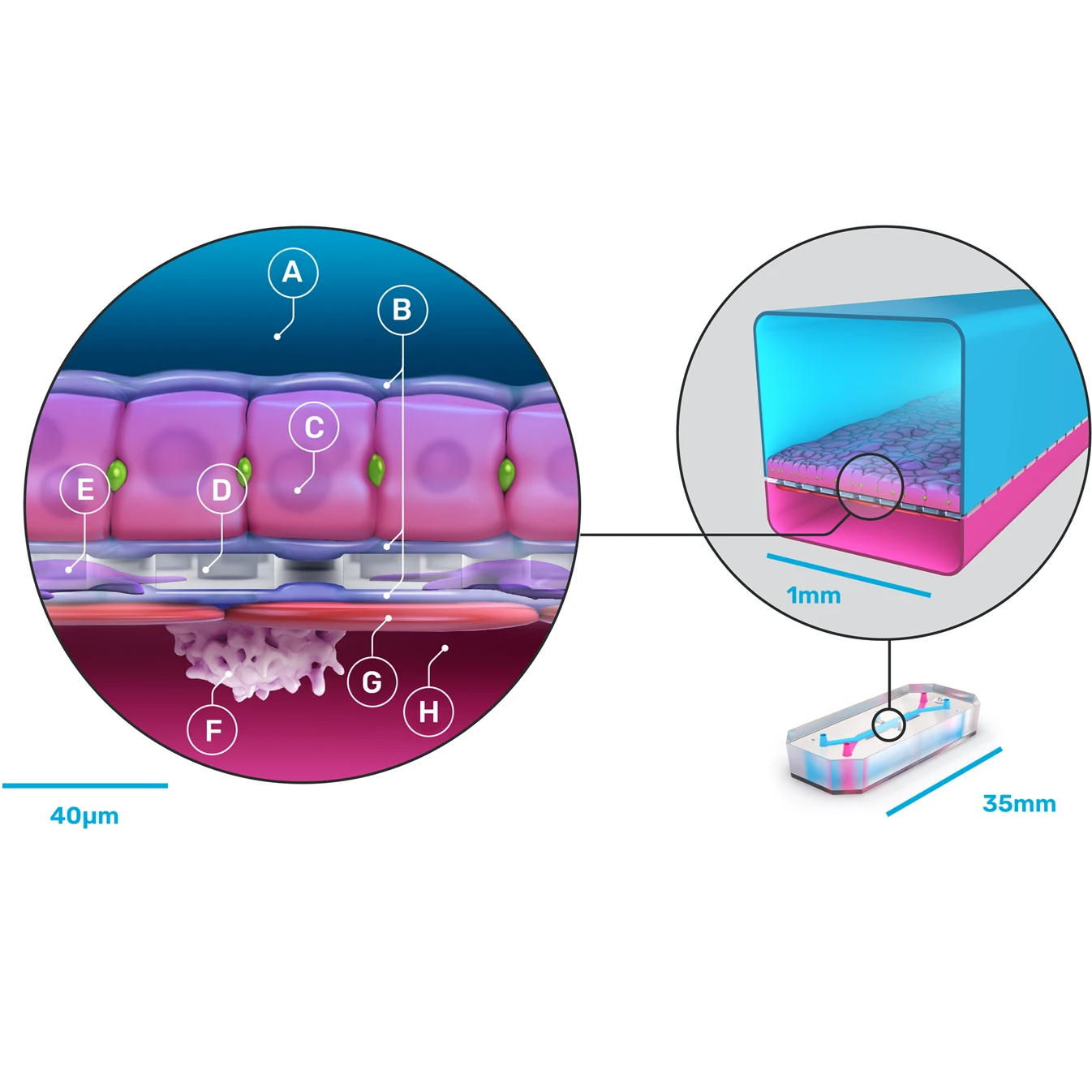
Several approaches have emerged to reduce the demand on animal models for drug testing. Researchers are rapidly moving beyond traditional animal models by building human-relevant testing systems that better reflect real biology. These include human cell–based models such as primary cells and stem cell–derived tissues, as well as more advanced 3D systems like organoids and spheroids that recreate aspects of organ structure and function. Technologies such as organ-on-a-chip add another layer of realism by simulating dynamic physiological processes—like blood flow or breathing—within microfluidic devices. Alongside these lab-based methods, scientists are increasingly using computational models and AI to predict drug behavior, supported by high-throughput screening and “omics” approaches that provide deep molecular insight. Rather than fully replacing animal studies, these alternatives are converging into a hybrid, human-first testing paradigm. Early-stage discovery often begins with in silico modeling and human cell systems, followed by validation in organoids or chip-based platforms, and in some cases limited animal testing before moving into human trials. This integrated approach improves predictive accuracy, reduces cost and time, and addresses ethical concerns, while also aligning more closely with human physiology. As regulatory agencies begin to recognize these methods, they are poised to become a core foundation of next-generation drug development and biotech innovation.
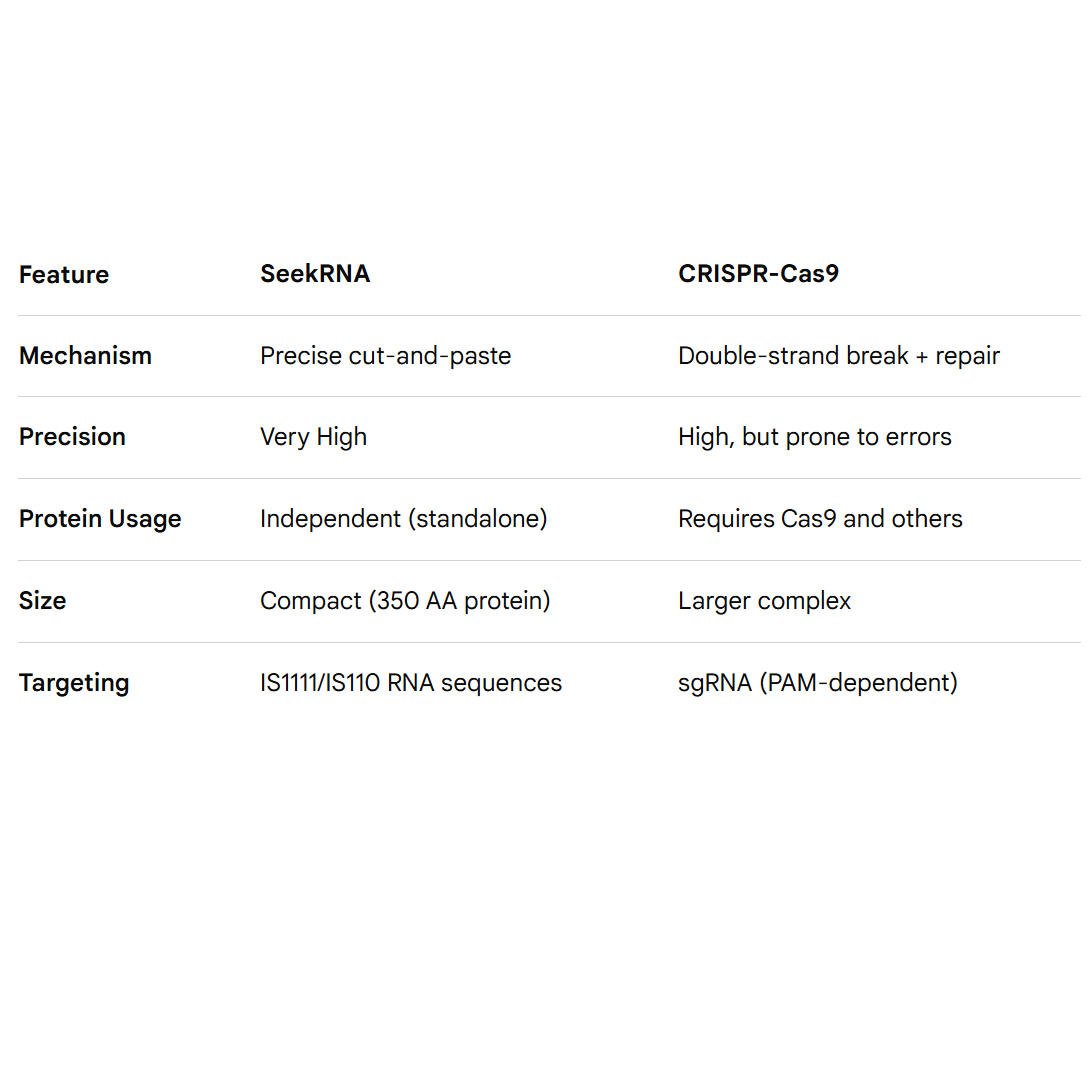
Newer genetic technology shows promise for less off-target effects on cells
Emerging technology that may replace CRISPR/CAS9 in some instances: A programmable seekRNA guides target selection by IS1111 and IS110 type insertion sequences
https://www.nature.com/articles/s41467-024-49474-9
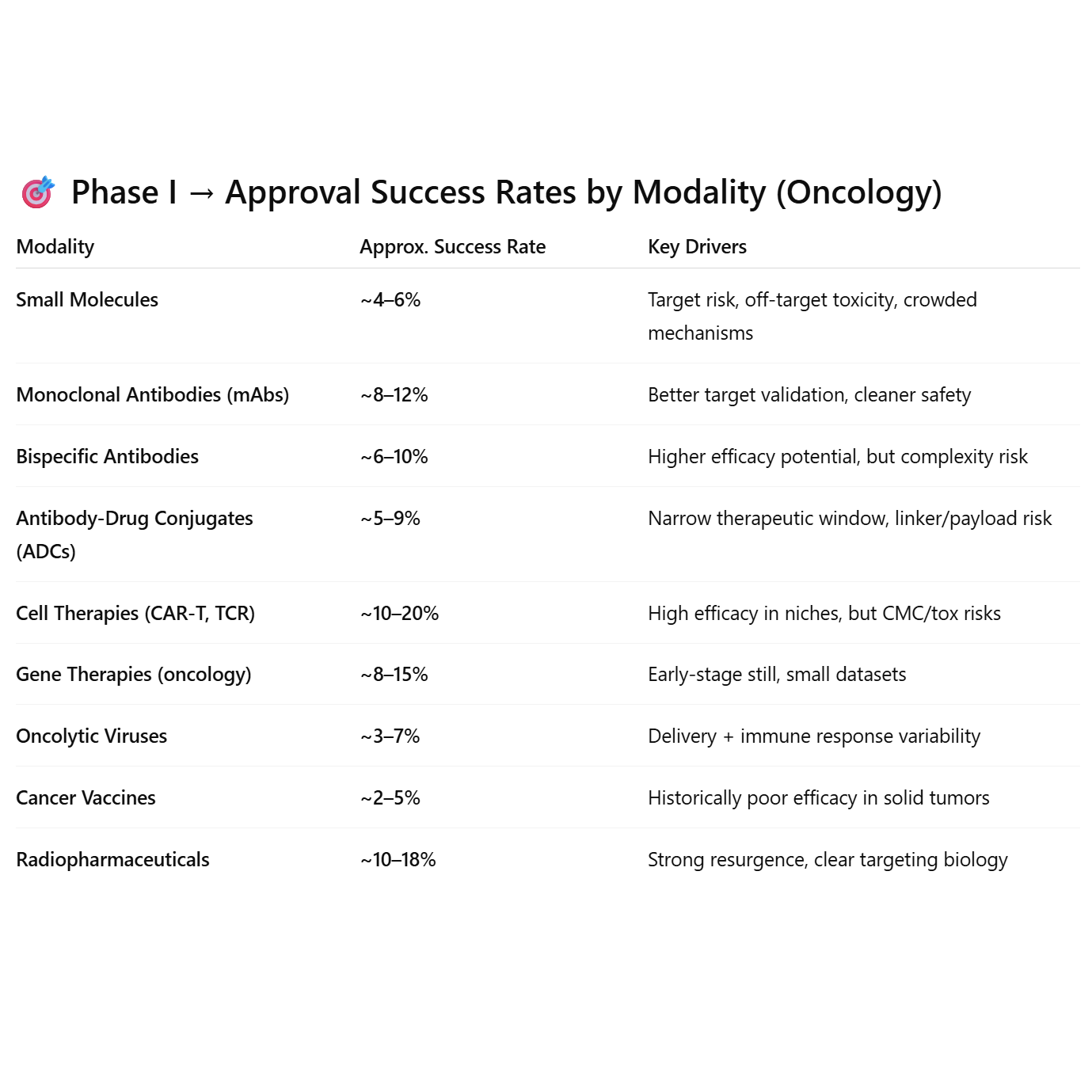
Biology > Modality (but modality is a proxy) for oncology drug success
Modalities with built-in targeting precision (mAbs, radiopharma, CAR-T) outperform. Modalities relying on systemic biology or immune priming (vaccines, viruses) underperform.
~5%–10% of oncology (cancer) drug candidates that enter Phase I ultimately receive U.S. Food and Drug Administration approval. A commonly referenced large-scale analysis (e.g., BIO/industry reports): ~5.1% overall success rate from Phase I → approval for oncology drugs. This is significantly lower than the industry average across all therapeutic areas (~10–15%). Why is oncology lower? Tumor biology is highly complex and heterogeneous. Endpoints (e.g., survival benefit) are harder to demonstrate. Higher toxicity risk tolerance leads to more early-stage entrants but higher attrition. Many programs fail in Phase II due to lack of efficacy. Stage-by-stage (rough ballpark for oncology): Phase I → Phase II: ~60–70%, Phase II → Phase III: ~25–35%, Phase III → Approval: ~50–70%. So, if you’re modeling biotech value or portfolio risk, only ~1 in 10 (and often closer to 1 in 20) oncology drugs entering Phase I will make it to market. But, this number depends a lot on modality. These differences are a byproduct of biology; the modalities operating on complex or interconnected mechanisms are more likely to fail, whereas targeted approaches are more likely to succeed.
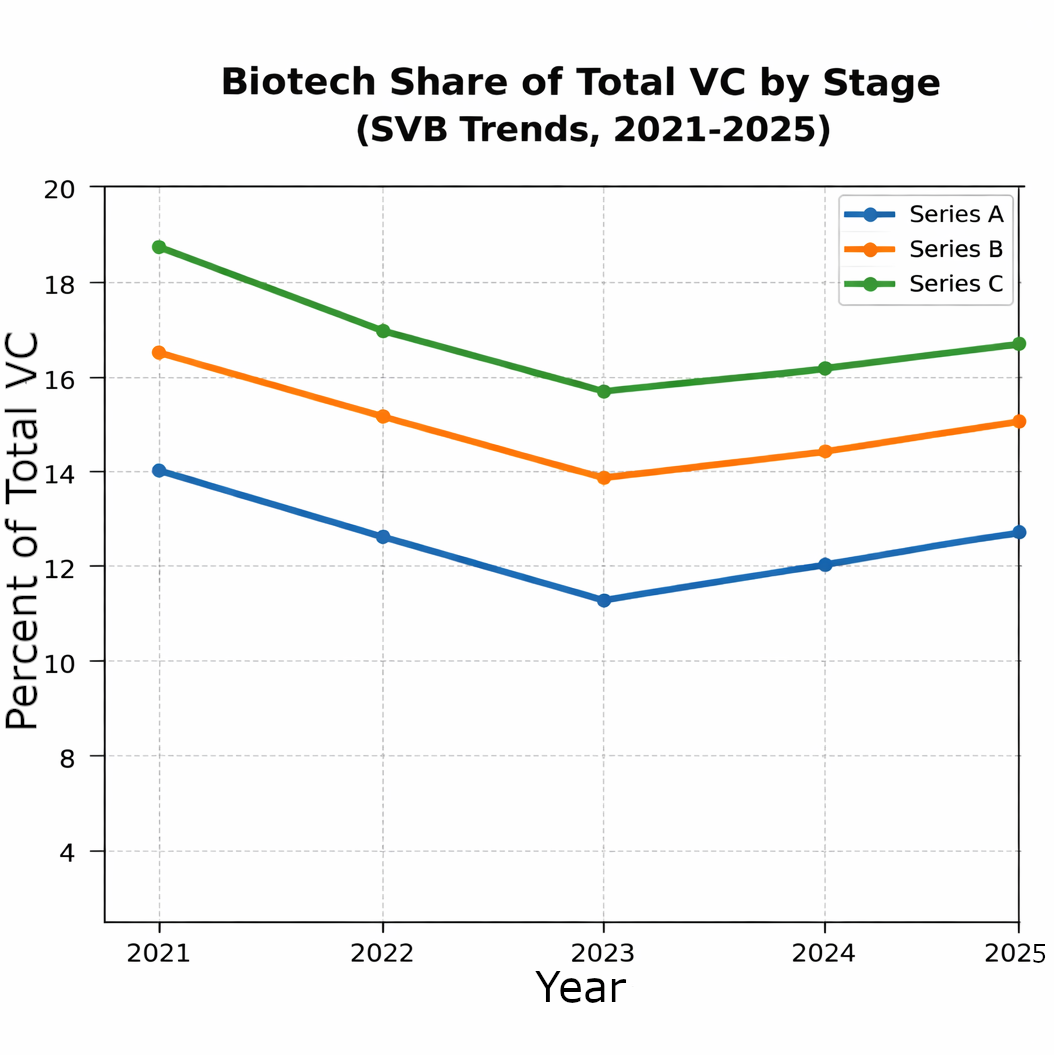
Biotech Venture Capital is Actually Recovering
Post-COVID, biotech funding dipped in 2023 and has seen a modest rebound in recent years relative to other industries.
So, what happened? 2021 peak: Zero rates + COVID biotech tailwinds. Biotech share peaked across all stages. 2022–2023 compression: Rate hikes → late-stage hit hardest. Series C drops most (17% → 13%). 2024–2025 recovery: Reopening IPO window. Capital returns to later-stage biotech. What did we measure? We compute: Biotech % of VC (by stage) = Biotech deal value at stage ⁄ Total VC deal value at stage. Because: Raw SVB reports give biotech totals + stage mix. PitchBook/NVCA give total VC by stage. We normalize across both.

Launch
Altitide's business is in order.
Website is launched after setting up the business essentials. First blog post coming soon.